
AC-Coupled vs Hybrid C&I ESS: Which Architecture Fits the Site
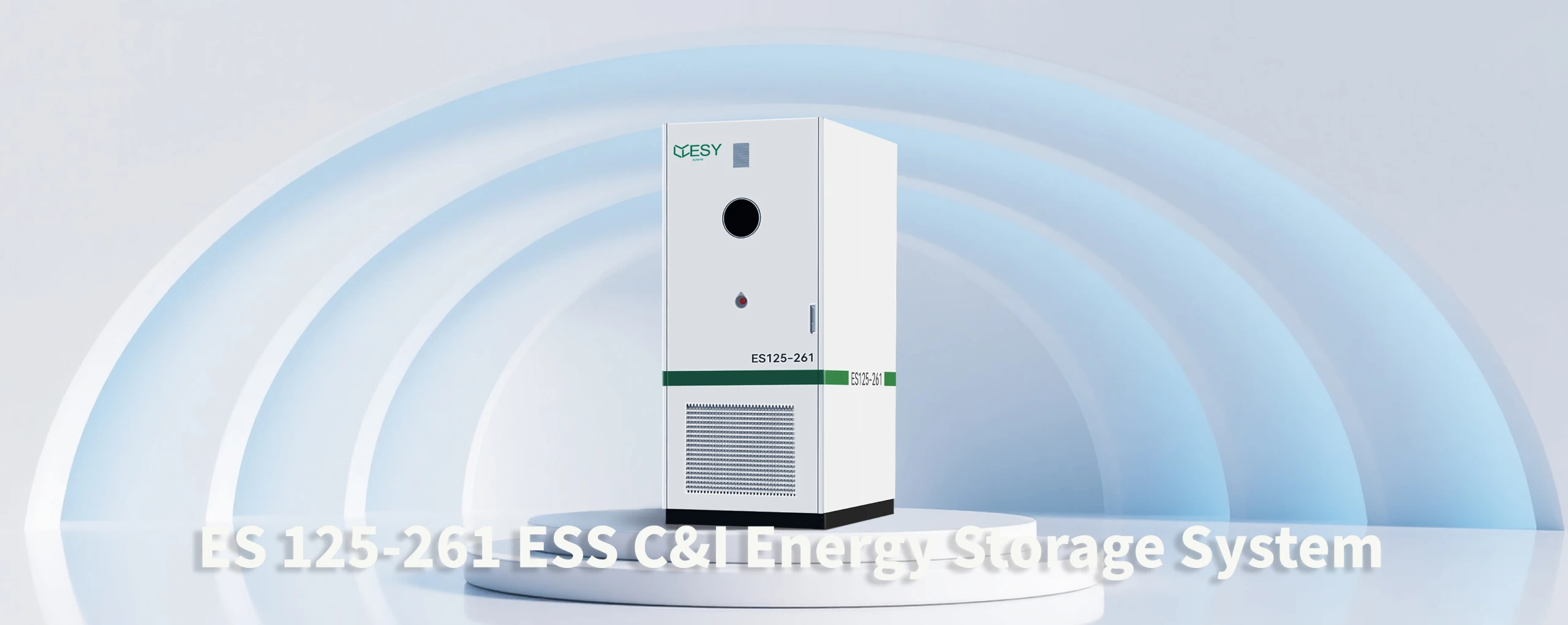
AC-coupled and hybrid C&I ESS architectures serve different project requirements. AC-coupled systems are widely used for retrofit projects because they can integrate with existing PV installations without replacing operating inverters. Hybrid systems achieve higher efficiency by reducing DC-AC-DC conversion steps and are often selected for new solar-plus-storage projects. A 2024 commercial storage project analysis showed that system efficiency differences of 2–5% can affect annual energy output across MWh-scale installations. Site conditions, including PV age, load profile, backup requirements, and expansion plans, determine which architecture provides better long-term performance.
Commercial and industrial facilities evaluate energy storage based on electricity costs, renewable generation, and operational requirements. The architecture choice between AC-coupled and hybrid systems affects installation methods, energy efficiency, maintenance planning, and future upgrades.
Commercial energy storage systems are commonly built around batteries, power conversion systems (PCS), energy management systems (EMS), and grid connection equipment. The main difference is where solar generation and battery storage connect.
AC-coupled systems place the battery inverter and PV inverter on the AC side, while hybrid systems combine PV and battery management on the DC side before a shared inverter stage.
AC coupling has become common in existing commercial sites because many facilities already operate solar arrays installed between 2010 and 2024. Replacing functional PV inverters can increase project costs by 10–30% and extend construction schedules by several weeks.
| Item | AC-Coupled ESS | Hybrid ESS |
|---|---|---|
| PV connection | Existing AC output | DC-side integration |
| Retrofit suitability | High | Medium |
| Typical efficiency range | 85–92% system level | 88–95% system level |
| Installation approach | Add storage equipment | Design PV and storage together |
| Expansion flexibility | High | Medium |
The retrofit advantage comes from system independence. An industrial building with a 2 MW rooftop PV system can add a 1 MW/2 MWh battery system without replacing the original PV inverter equipment.
This approach reduces engineering changes and allows the facility to continue solar production during storage installation. In many commercial projects completed between 2020 and 2025, AC coupling remained the preferred option when existing PV assets were less than 10 years old.
The same separation also allows easier equipment replacement. Battery modules, PCS units, and PV inverters can be serviced individually instead of requiring changes to the entire power system.
For facilities with existing solar generation, AC coupling usually provides faster deployment because the battery system works as an additional power asset rather than a redesign of the solar plant.
Hybrid ESS uses a different structure. Solar electricity remains in DC form longer, allowing direct battery charging before reaching the inverter.
A typical energy path is:
PV modules → DC connection → Battery storage → Hybrid inverter → Facility load
Compared with AC coupling:
PV modules → PV inverter → AC bus → Battery inverter → Battery
the hybrid structure removes one conversion process.
Energy conversion efficiency depends on equipment quality, operating temperature, battery chemistry, and power levels. Modern lithium iron phosphate (LFP) systems generally achieve round-trip efficiencies above 85%, while optimized hybrid systems can reach approximately 90–95% under suitable operating conditions.
A difference of 3% efficiency may appear small, but a 5 MWh storage system cycling 300 times per year can lose tens of megawatt-hours annually through conversion losses.
Hybrid systems also improve solar self-consumption. A warehouse with a 3 MW solar array may produce more electricity than daytime demand requires. Instead of exporting excess electricity, the hybrid system can send additional DC power directly into batteries.
A solar-plus-storage project developed from the beginning can often achieve higher renewable utilization because generation and storage are designed as one system.
The architecture selection depends heavily on site conditions.
For existing commercial buildings:
-
Existing PV inverter remains operational
-
Solar capacity is already installed
-
Limited construction space is available
-
Storage is added mainly for peak shaving
AC coupling normally provides a simpler installation route.
For new facilities:
-
Solar capacity is still being planned
-
Battery size is determined together with PV output
-
Higher efficiency is required
-
Microgrid functions may be included
Hybrid systems often provide better integration.
Electricity pricing structures also influence architecture selection. In many regions, demand charges can represent 30–70% of a commercial customer’s monthly electricity bill. Storage systems reduce peak grid consumption by charging during lower-cost periods and discharging when electricity demand increases.
For example:
| Facility type | Peak demand | Possible storage configuration |
|---|---|---|
| Office building | 500 kW | 250 kW / 500 kWh |
| Warehouse | 2 MW | 1 MW / 2–4 MWh |
| Manufacturing plant | 5 MW | 2–3 MW / 6–10 MWh |
The battery power rating determines how quickly demand can be reduced, while energy capacity determines how long the reduction can continue.
Backup power requirements create additional differences. AC-coupled systems can provide backup functions with additional switching equipment and controls. Hybrid systems often simplify backup integration because PV, batteries, and inverter controls are already combined.
A facility requiring several hours of backup power must evaluate battery duration, critical loads, and grid-islanding requirements before selecting the architecture.
Maintenance planning also affects long-term operating costs. AC-coupled systems contain more independent components, including separate PV inverters and battery PCS units. This increases equipment count but allows individual replacement.
Hybrid systems reduce the number of conversion devices but require compatibility between PV modules, batteries, and hybrid inverters.
According to industry project data published from 2021 to 2025, many C&I storage systems are designed for 10–15 years of service life, with battery degradation commonly managed through energy management software and capacity planning.
Future expansion is another factor. AC-coupled projects usually allow additional battery containers to be added without major changes to the PV system.
For example:
-
Initial installation: 1 MWh battery
-
Expansion after 3 years: additional 2 MWh battery
AC coupling can often complete this upgrade with limited modification.
Hybrid systems may require checking inverter capacity, DC voltage range, and battery compatibility before expansion.
Sites expecting uncertain future electricity demand often prefer a modular architecture that allows storage capacity to grow over time.
Software control has become increasingly important in both architectures. Modern EMS platforms use electricity price forecasts, load prediction, solar generation data, and battery condition information to schedule charging and discharging.
A commercial facility operating 365 days per year can generate thousands of operating decisions annually. Better control strategies can improve battery utilization and reduce unnecessary cycling.
The selection between AC-coupled and hybrid ESS is not based on one technical specification. A site with existing solar assets, limited construction changes, and immediate storage requirements usually fits AC coupling.
A new solar facility with long operating expectations, high renewable utilization targets, and integrated energy planning often benefits from hybrid architecture.
Both approaches support commercial energy storage systems, but their advantages appear under different project conditions. The preferred design depends on PV configuration, electricity pricing, backup requirements, expansion plans, and expected operating period. A suitable architecture allows the storage system to match the facility’s actual energy pattern throughout its service life.
Spotted a junction that deserves a warning?
Help us keep Britain's drivers informed. Submit a BlackSpot report in under two minutes.